
WHAT’S HOT RIGHT NOW ON E-bikes
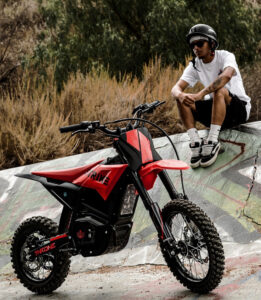
E-bikes: More powerful motors: There’s a continuing race toward higher torque and power. Some new DTC bikes are pushing into 6,000 W dual-motor territory, essentially blurring the line between e-bike and electric motorcycle.
DJI is shaking up the motor market: DJI’s Avinox drive has emerged as a serious competitor to established systems such as Bosch, especially for high-performance e-MTBs.
Bosch is moving into hub motors: Bosch launched its first rear-hub system, Hub Line, in June 2026, aimed at lightweight urban and commuter e-bikes.
Bigger batteries: 600+ Wh batteries are becoming increasingly common. Shimano, for example, has introduced 630 Wh options.
Smart e-bikes: The trend is toward integrated displays, apps, GPS, anti-theft functions, automatic shifting, motor software updates and better motor/battery communication.
Battery safety is becoming a major selling point: Certification, quality BMS systems and traceable battery cells are increasingly important as regulators and cities pay more attention to battery fires and unsafe imports.
Cargo/delivery e-bikes are growing fast: Last-mile delivery, commercial transport and utility bikes are becoming a major opportunity rather than just a niche.
The hottest categories in the U.S.
Fat-tire / moped-style electric bikes:
-Big 20×4″ tires
-Long-range batteries
-Powerful hub motors
-Motorcycle-inspired styling
-Popular with younger recreational riders.
-These are still one of the most visually -recognizable e-bike trends, although the -market is also moving toward more refined, bicycle-like designs.
Affordable folding e-bikes:
$1,000–$1,800 is a very competitive price zone.
Lectric’s XP family is particularly strong. Lectric reported nearly 30,000 bikes sold in a single month earlier this year and 150,000 units shipped in 2025.
The new XP4 750 is a good example of the direction: folding frame, high peak output and long claimed range.
Cargo e-bikes 🚲📦 This is probably the segment I’d watch most closely from a business perspective. Cargo is reportedly among the fastest-growing U.S. e-bike segments.
Think:
Two children
Delivery
Grocery runs
Business/fleet use
Long-tail bikes
Dual-battery configurations
Powerful mid-drive e-bikes:
Mid-drive is becoming much more competitive below the traditional premium price range. Models from Aventon, Ride1Up, Trek, Specialized and others are bringing stronger torque, larger batteries and better integration.
Lightweight commuter e-bikes:
This is the opposite of the huge fat-tire bike: slim tires, lighter frames, integrated batteries and a bicycle-like appearance. Aventon Soltera 3 and similar models are getting attention in this category.
Smart/high-tech e-bikes:
The market is moving beyond simply “motor + battery.” GPS, smartphone connectivity, integrated displays, automatic shifting, software tuning and theft protection are increasingly part of premium bikes.
💰 Where I see the biggest opportunity
If you’re asking because you’re looking at selling/building e-bikes for the U.S. market, I’d pay particular attention to this combination:
750–1,000W peak hub motor + 48V/52V battery + 20×4 fat tires + hydraulic brakes + UL-certified battery + 28 mph Class 3 configuration + $1,500–$2,000 retail.
But there’s an important distinction: the U.S. market is increasingly sensitive to battery safety/certification and legal classification, so simply making the motor more powerful isn’t necessarily the winning strategy.
And the really interesting development is that cargo, practical utility and affordable bikes are competing with the “electric motorcycle” style bikes rather than the whole market moving toward maximum power.
Leave a Reply