
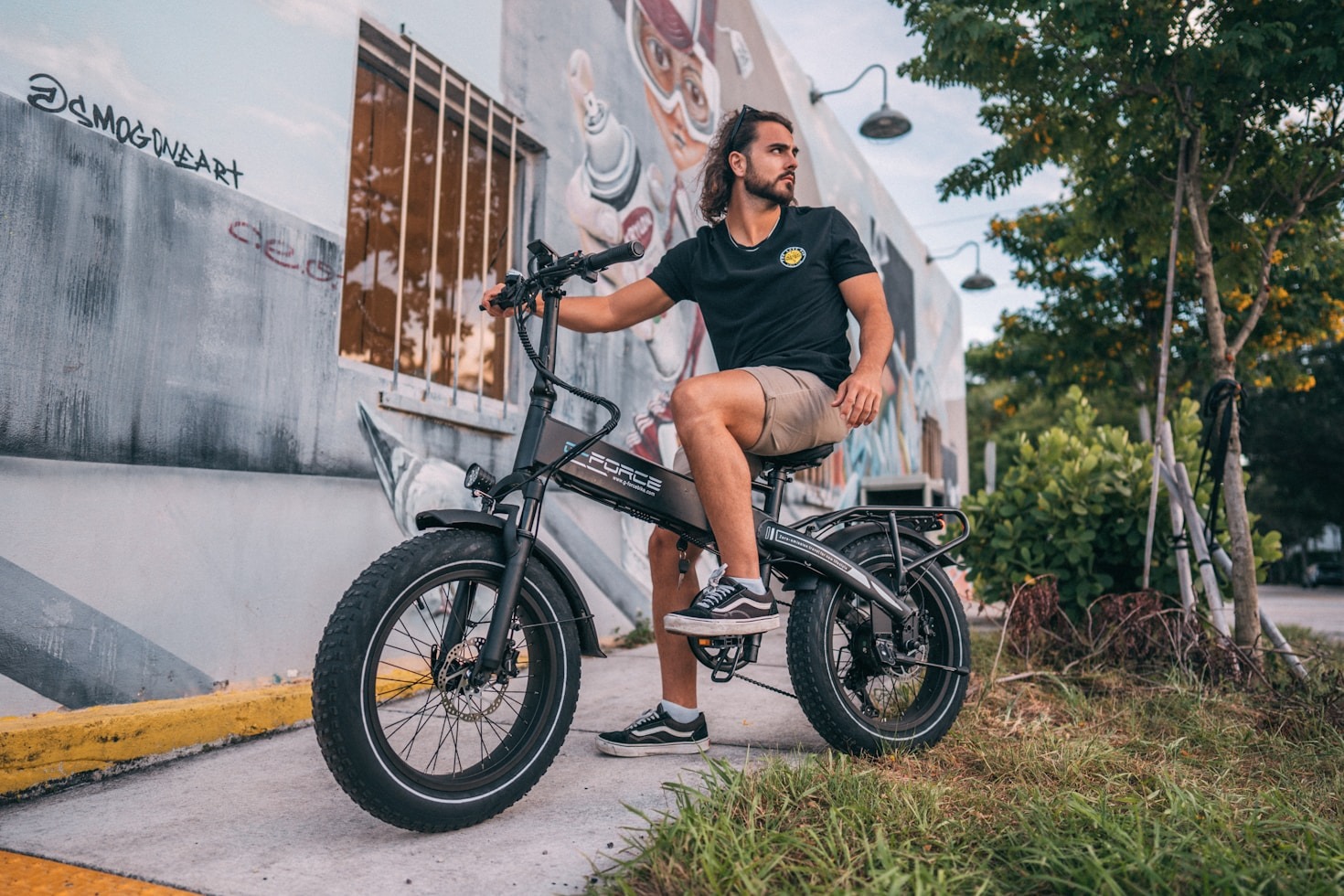
When comparing electric mopeds (E-motos) vs. traditional gas-powered mopeds, there are several key benefits on the electric side—and a few trade-offs to keep in mind. Here’s a breakdown of the major benefits, and the important caveats.
✅ Key benefits of E-motos
Here are the main advantages of choosing an electric moped:
1. Lower running & maintenance costs
- Electric motors have far fewer moving parts than internal combustion engines, meaning fewer things to fail (no oil changes, fewer tune-ups)
- “Fuel” cost: charging an electric moped is significantly cheaper than filling up with petrol.
- Over time, the total cost of ownership (TCO) can favour e-motos in many situations because of lower operational costs.
- Less noise, less vibration, which often means less wear and tear on ancillary components.
2. Environmental & emissions advantages
- Electric mopeds produce zero tailpipe emissions, which helps reduce local air pollution (especially important in urban areas)
- Quieter operation: less noise pollution.
- If the electricity used is generated from renewable / clean sources, the overall carbon footprint can be further reduced.
3. Urban-friendly performance & convenience
- Instant torque from electric motors means good acceleration from stops, which is a strong benefit in stop-and-go traffic typical of cities.
- No need to visit a petrol station (in many cases you charge at home or at a charging station) → convenience.
- Potentially fewer licensing / regulatory barriers depending on jurisdiction (though this varies) — some electric two-wheelers are treated differently than gas ones.
4. Simpler mechanical design & less maintenance
- As noted, fewer moving parts. For electric mopeds: battery, motor, controller + wheels/brakes/tires. Less need for engine servicing, fuel system, exhaust, etc.
- Often lower routine maintenance burden: less concern about oil changes, spark plugs, etc.
⚠️ Trade-offs & what to check
Electric mopeds are excellent in many cases, but you should check/consider the following before deciding.
1. Up-front cost & battery replacement
- The purchase price of electric mopeds can be higher than comparable gas-moped models in some markets.
- Battery cost & lifespan: eventually the battery will degrade or need replacement, which can be a significant expense.
- The TCO (total cost of ownership) advantage depends on usage, local electricity/fuel costs, battery replacement cycle, etc. In some contexts the electric model can cost more over long term.
2. Range, refuelling/charging and infrastructure
- Traditional gas mopeds typically can go longer distances before refuelling, and refuelling is very quick. Electric mopeds may have more limited range and take longer to recharge.
- Charging infrastructure: you need access to a reliable place to charge (home plug, dedicated charger) and your usage pattern must fit the battery/range constraints.
- If your usage is long trips, or you don’t have easy charging, the electric version may impose constraints.
3. Speed, power & terrain considerations
- In some cases, gas mopeds have higher top speeds or better performance for longer/highway trips. Electric ones may be optimized for urban/sub-urban use.
- Terrain/hilly areas: battery draw may be higher, range lower.
4. Regulatory/licensing and resale/availability
- Depending on your country/region, there may be different licensing, registration, road-use requirements for electric mopeds vs gas.
- Spare parts, service network for electric moped technologies may be less mature in some regions, so availability of repair/service may be a factor.
- Resale value: the electric battery condition becomes a factor (how many cycles used, how degraded).
🔍 Summary comparison
| Feature | Electric Moped | Traditional Gas-Moped |
|---|---|---|
| Running cost | Lower (electricity cheaper, less maintenance) | Higher (fuel cost + more maintenance) |
| Emissions & environment | Zero tailpipe, quieter, cleaner air | Emits CO₂/NOx/particulates, more noise |
| Up-front cost | Possibly higher | Often lower for comparable power class |
| Range & refuelling | Range may be shorter, charging time needed | Longer range, refuelling quick and familiar |
| Maintenance burden | Lower, simpler system | More frequent servicing, more mechanical parts |
| Urban suitability | Very good (instant torque, quiet, green) | Good for mixed/longer use, high speed |
| Infrastructure dependence | Requires charging access | Needs petrol station access, which is common |
| Regulatory/licensing | Depends on local laws, sometimes fewer hurdles | Well-known regulatory framework |
🎯 Summary: Why choose an e-moped (in the U.S.)
Putting it all together: if your use-case maps to the right scenario, an e-moped is a strong choice in the U.S. Here’s when it makes especially good sense:
Your commute is short to medium distance, within say 30-60 miles/day, and you have reliable access to charging (home plug, garage).
Your riding is mostly urban or suburban, with frequent stops, traffic, parking constraints, and you value low noise and low emissions.
You’re cost-sensitive on operating costs (fuel + maintenance) and value the long-term savings and simpler maintenance of an electric system.
You live in a region/state with supportive regulation or incentives for e-mobility, or simply want to reduce your carbon footprint and noise footprint.
If instead you routinely ride long distances, in remote areas, depend on abundant petrol stations rather than charging infrastructure, or you carry heavy loads/passengers often — then a gas moped may still be more practical.
Here are five model comparisons (a mix of electric & gas mopeds) available in the U.S., spanning different use-cases and price points. These give you a broader “market map” to compare when choosing.
1. Vespa Elettrica (Electric)
Key Specs & Features:
- MSRP approx $7,499 USD in the U.S. for the standard version.
- Range: Up to ~50 miles (in some listings) on a full charge; other specs suggest ~100 km (~62 mi) in ideal conditions.
- Recharge time: ~4 hours from a standard outlet.
- Top speed: In some documents, ~45 km/h (~28 mph) version; but the higher-powered version can do more.
Why it’s interesting: - Premium styling and build quality (heritage of the Vespa brand).
- Electric advantages: silent, zero tailpipe emissions, home-charging ease.
Considerations: - Higher upfront cost compared to lower-tier models.
- If your use involves long distances or highway speeds, range or speed might be limiting.
- Charging infrastructure & plug access still matter (home vs parking lot).
2. NIU NQi GT / NQi series (Electric)
Key Specs & Features:
- Top speed: ~50 mph (80 km/h) in certain specs.
- Range: Up to ~80-87 miles claimed in U.S. spec for some versions.
- Motor & battery: 3,000W rated power (in one spec) with dual batteries.
Why it’s interesting: - Strong performance for an electric scooter/moped: comparatively higher top speed and range.
- Good fit for urban + some suburban use (if you occasionally ride further).
Considerations: - As with all electrics: you need to consider charging time, battery longevity, charger access.
- Price may be higher for the higher-range models.
3. Honda Metropolitan 49 cc (Gas)
Key Specs & Features:
- Engine: 49 cc single-cylinder liquid-cooled four-stroke.
- MSRP: ~$2,649 USD (U.S.) for the 2024-25 model.
- Good storage under the seat (~22 liters) and automatic transmission (V-Matic) making it very commuter-friendly.
Why it’s interesting: - Lower upfront cost.
- Familiar infrastructure: petrol refuelling everywhere, well-established service network.
- Simple, proven design: good for short to medium urban commutes.
Considerations: - Fuel cost + maintenance likely higher than electric over time (depending on use).
- Range may be decent, but you still need petrol stations; still emissions.
- Speed/power may be modest (49 cc means limited top speed).
4. Gas Moped Tier: 50 cc / 150 cc Example
Key Specs & Features:
- Example: Kymco Like 50 – 49 cc, 2.3 ft-lbs torque @6500rpm, etc.
- Another example: 150 cc gas automatic moped: up to 55+ mph, ~1.4 gal fuel tank in one listing.
Why it’s interesting: - For those needing slightly higher power/speed than ultra-low-cc urban models.
- Automatic transmission in many modern gas mopeds makes them accessible.
- Maintains typical internal-combustion familiarity.
Considerations: - Higher engine displacement = more complex maintenance potentially.
- Emissions and fuel cost versus electric alternative.
- Charging/fuelling convenience may tilt in favour of petrol if you lack charging plug.
5. Electric Premium / High-End Example:
(While less a pure “moped” in the conventional <50 cc sense, this shows the high end of electric two-wheelers)
Key Specs & Features:
- Example: Aventura‑X EV30 – 2,900 W brushless motor, top speed ~50 mph, range up to ~70 miles with dual battery.
Why it’s interesting: - Electric model pushing speed & range upward; closer to “motorcycle” class but still in the broader two-wheel mobility space.
- Highlights how electric mopeds/scooters are evolving to become more capable.
Considerations: - With higher capability comes higher cost.
- Charging and battery capacity become more important; battery wear & replacement cost more relevant.
- Road/legal classification may shift (what counts as a “moped” vs “motorcycle”) depending on speed/power.
🎯 Interpreting & Applying These Comparisons
- If your use is city/suburban commuting (shorter distances, frequent stops, limited parking), then the electric models (Vespa Elettrica, NIU) are very compelling. Their advantages (low running cost, quiet, easy manoeuvre) shine here.
- If you need longer rides or occasionally ride faster/higher speeds (or you don’t have easy access to charging), gas models (Honda Metropolitan, 50-150 cc gas mopeds) still make strong sense.
- Consider total cost of ownership: Upfront price + fuel/energy cost + maintenance + battery replacement (for electric) or engine service (for gas). Electric tends to win over time if your usage matches its strengths.
- Consider infrastructure & convenience: For electric, do you have a plug, reliable charging, safe parking? For gas, is petrol easy and affordable where you ride?
- Consider legal/regulatory classification: Some high-speed electrics might classify differently (motorcycle vs moped) which could affect licensing, registration, insurance.
- Consider resale & support network: Established brands and models often have better service/parts availability; newer electric brands may have less mature support depending on states


Here are two specific moped-style models available in the U.S.—one electric and one gas-powered—so you can compare real-world specs. I’ll also highlight how they reflect the broader benefits/trade-offs we discussed.
—
⚡ Electric Model: [Aventura‑X EV29](https://aventura-x.com/product/aventura-x-sky-blue-scooter-with-removable-rechargeable-lithium-battery/?srsltid=AfmBOopCz-PpZaoI5-LkHo_RMnzMpiwkVCHeHodFfrP3xhzBepVLb3AW&utm_source=chatgpt.com)
Key Specs & Features:
Motor: 2,900 W brushless DC motor.
Top Speed: ~30 mph.
Battery: 72 V 20 Ah lithium-ion (removable).
Range: Up to ~70 miles per charge (with dual battery option) / ~35 miles with single battery.
Weight: 160 lbs. Max loading capacity about 360 lbs.
Price: ~$3,295 USD (as listed) for the base version.
Why this is a good example of an electric moped:
Lower running cost potential: no gasoline, fewer engine-parts.
Urban commuter friendly: modest top speed (30 mph) but decent range for city/suburb use.
Modern convenience: removable battery means you might charge indoors/outdoors as needed.
Trade-offs visible: 30 mph top speed limits highway use; you’ll need access to charging, and the price is higher than some small gas scooters.
—
⛽ Traditional Gas Model: [Honda Metropolitan 49 cc](https://powersports.honda.com/motorcycle/scooter/metropolitan?utm_source=chatgpt.com)
Key Specs & Features:
Engine: 49 cc liquid-cooled single-cylinder four-stroke.
Transmission: Automatic V-Matic belt drive.
Fuel Capacity: 1.2 gallons.
Curb Weight: ~179 lbs.
MSRP: $2,649 USD (US model) for the 2024 version.
Why this is a good example of a gas moped/scooter:
Lower upfront price compared to many electric mopeds.
Familiar infrastructure: quick refuelling at petrol stations, lots of available service.
Reliable brand / known maintenance path.
Trade-offs: Fuel cost still ongoing, more moving parts, less “green” than electric; top speed and range depend on fuel consumption & tank size (49 cc means modest power).
🔍 Comparative Highlights
Feature Aventura-X EV29 (Electric) Honda Metropolitan (Gas)
Up-front cost ~$3,295 USD ~$2,649 USD
Top speed ~30 mph Depends on terrain; 49 cc limits top speed
Range / refuel Up to ~70 miles (with dual battery) Depends on fuel tank & efficiency; quicker refuel
Fuel/Energy cost Electricity (likely lower cost) Gasoline cost + maintenance
Maintenance burden Fewer moving mechanical parts More regular engine maintenance
Infrastructure needs Need reliable charging access Easy refuel at petrol stations
Best use case Urban/suburban, short to medium commutes Urban commuter, especially where petrol is easy
✅ What to keep in mind for U.S. buyers
Licensing & registration: Even small scooters/mopeds in the U.S. may require registration, insurance, helmet laws, etc. Always check your state/local regulations.
Infrastructure suitability: For electric models, consider whether you have a place to charge (garage, outlet).
Usage fit: If you mostly ride city streets and stay under ~30–35 mph, the EV29 is appealing. If you occasionally need more speed, longer range, the gas option might serve better.
Long-term costs: Electric e-moped might save money over time (fuel + maintenance) but initial cost and battery life matter.
Resale & support: Gas models may have more widely available service/parts; for newer/less common electric models check support/battery replacement cost
Here’s a comparison of e-motos and traditional mopeds:
*Environmental Benefits*
– E-motos: Zero emissions, eco-friendly, and reduced carbon footprint
– Traditional mopeds: Emissions contribute to air pollution and climate change
*Cost Benefits*
– E-motos: Lower operating costs (electricity vs. gas), reduced maintenance
– Traditional mopeds: Higher operating costs (gas, oil changes)
*Performance Benefits*
– E-motos: Instant torque, smooth acceleration, and quieter ride
– Traditional mopeds: Familiar sound and feel, but potentially noisier and more vibration
*Convenience Benefits*
– E-motos: Charging infrastructure expanding, convenient for short trips
– Traditional mopeds: Wide availability of gas stations
*Key Considerations*
– E-motos: Range anxiety, charging time, and battery durability
– Traditional mopeds: Emissions regulations, noise pollution, and higher maintenance
Ultimately, the choice between e-motos and traditional mopeds depends on your priorities, riding habits, and local infrastructure.
Would you like more information on e-motos or traditional mopeds?
Leave a Reply